How to make a holiday card from a photo you already have
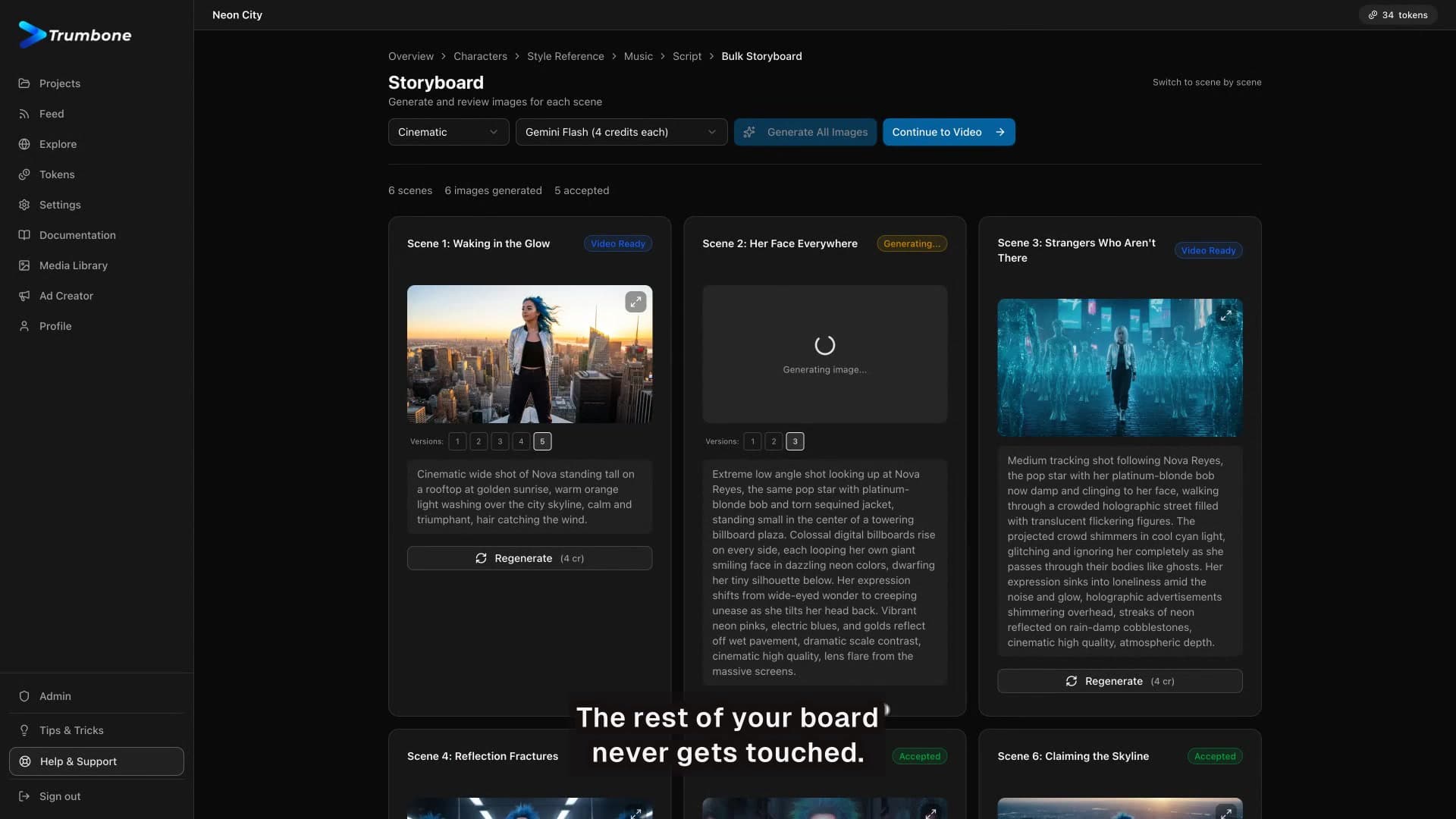
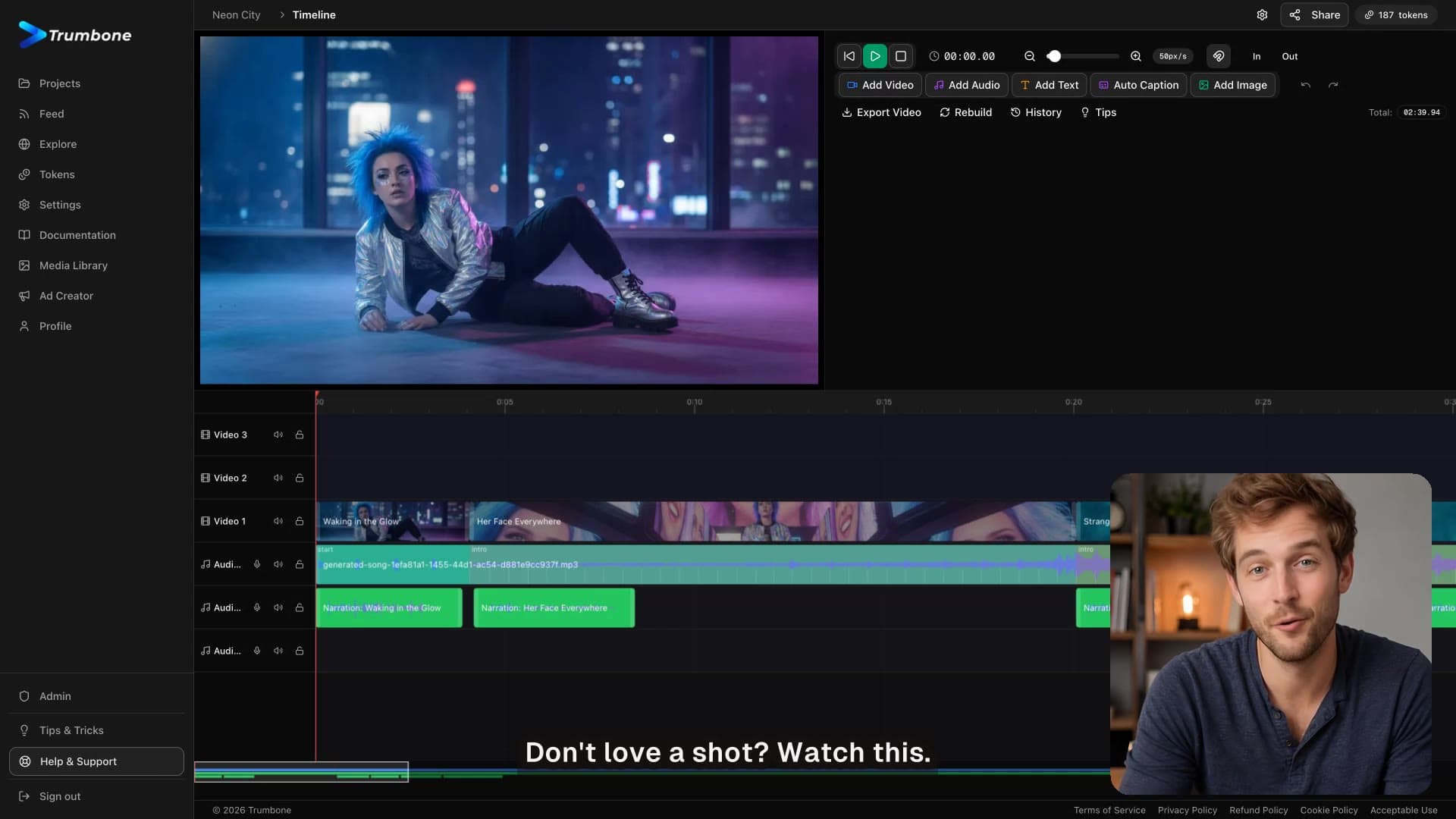
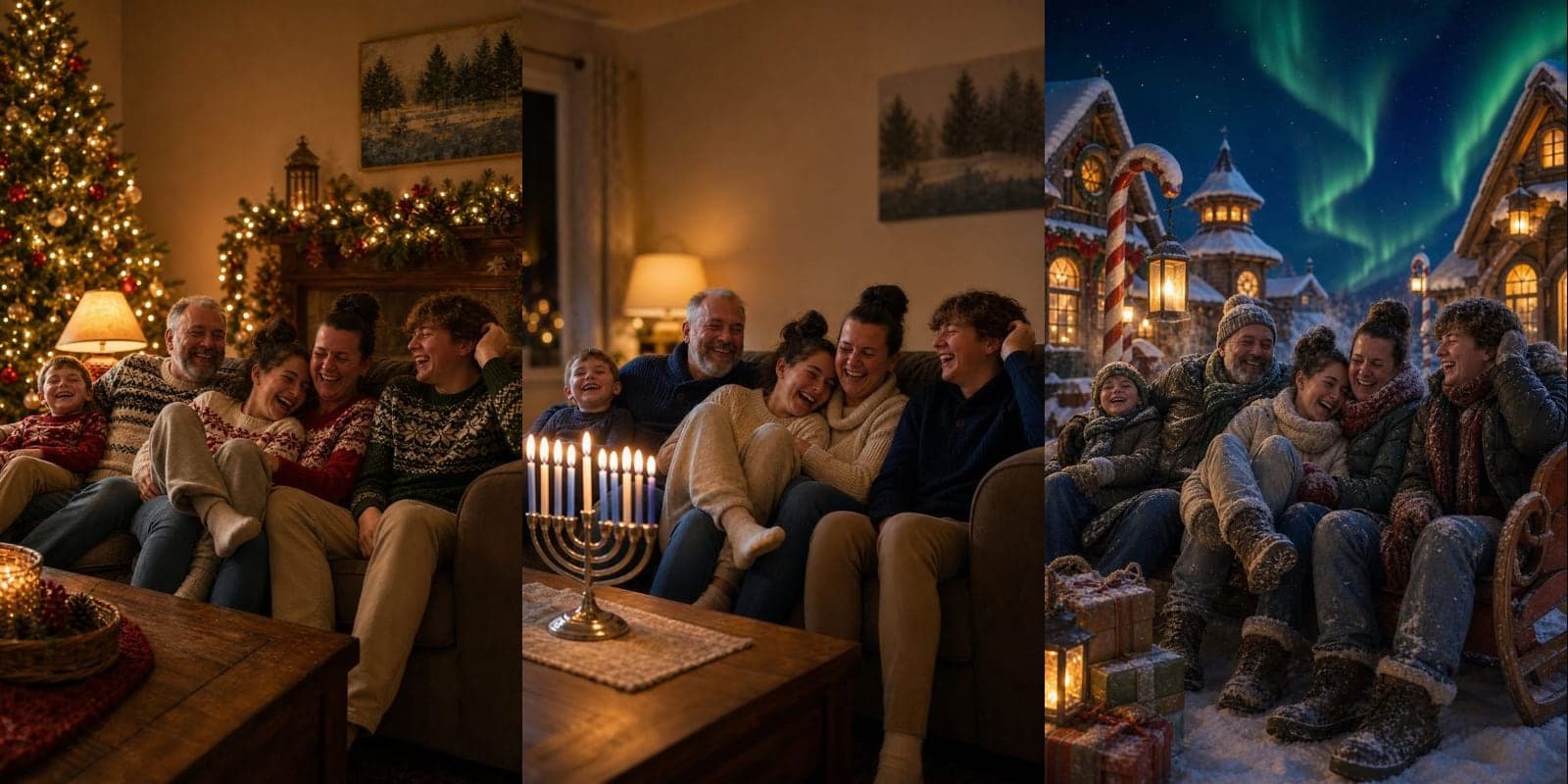
Six holiday looks are live: Christmas, Hanukkah, New Year, deep snow and the North Pole village. Upload one photo you already have, pick one, and about twenty seconds later you have the card.
Six holiday looks are live: Christmas, Hanukkah, New Year, deep snow and the North Pole village. Upload one photo you already have, pick one, and about twenty seconds later you have the card.
Better video, steadier stories, and a new life for the photographs you already have. Photo Looks, Property Tours, and Scene DNA are live for everyone today.

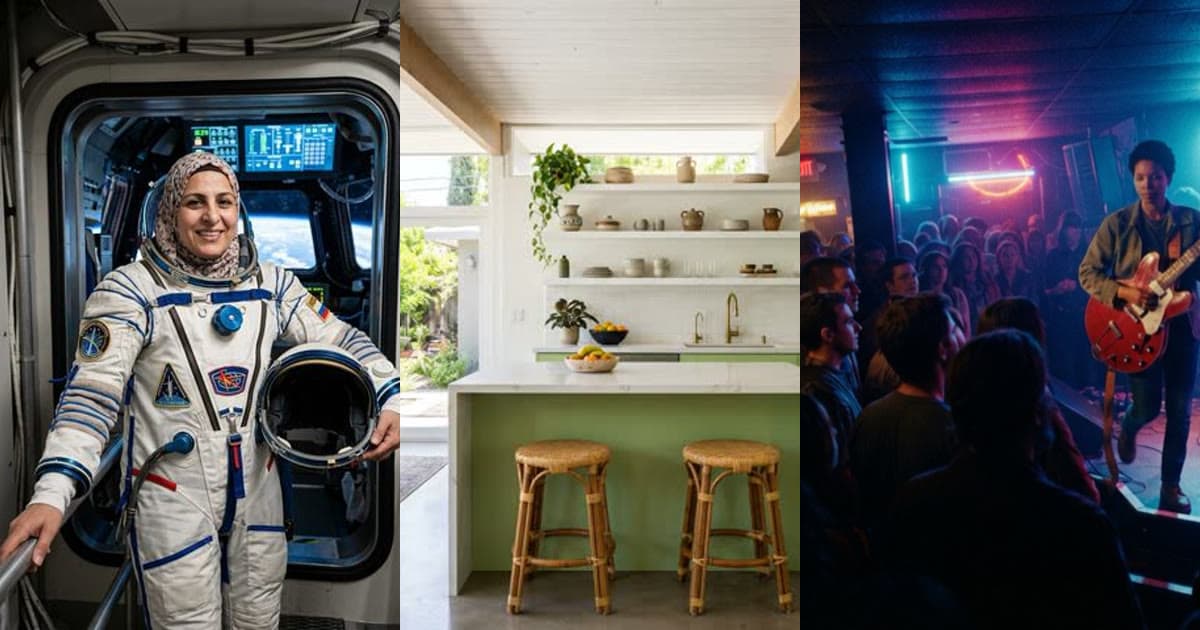
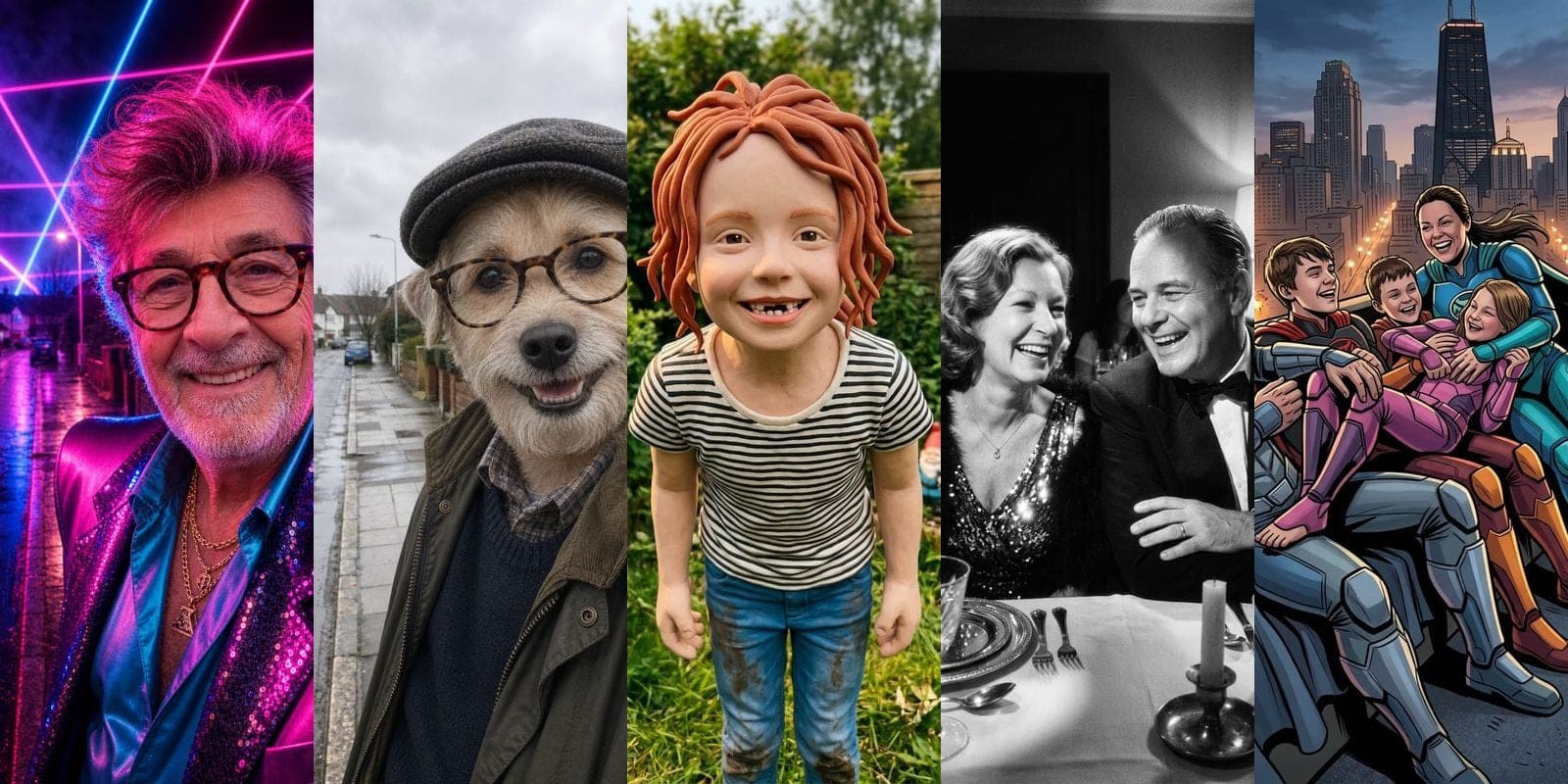
Twenty-four AI photo looks, from claymation and comic book to a 1920s portrait and a studio headshot. The same faces and the same grouping, somewhere else entirely.

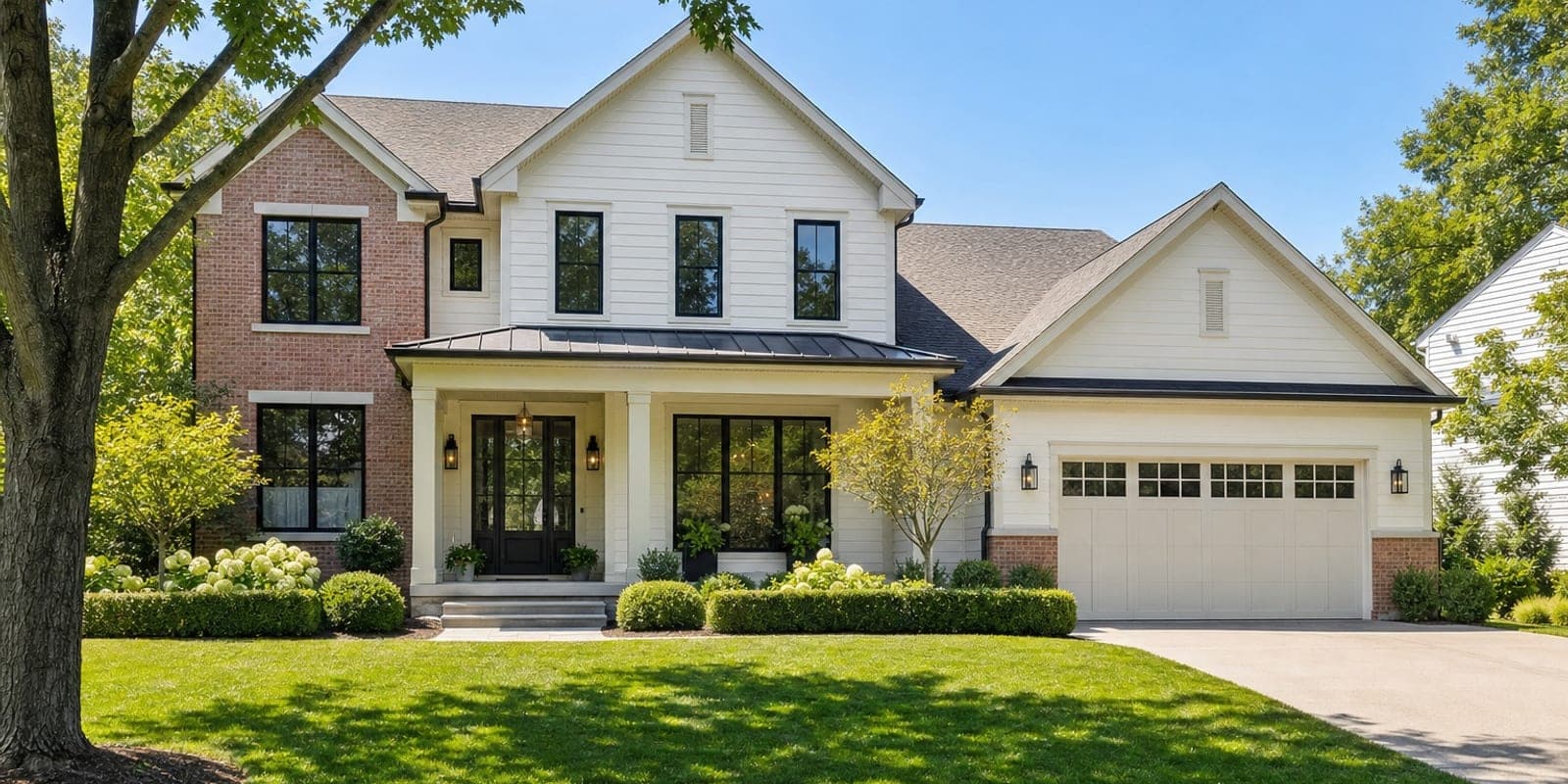
No shoot, no crew, no second visit. Open House builds a full walkthrough tour out of the listing photos you already shot, for about ten dollars, and hands you an editable timeline at the end.

Twenty-four style looks, one scene, one person, one brief. Fifteen colour grades, seven render media and two worlds, each rendered on the identical shot so you can see exactly what you are choosing.

Most AI videos fail for the same handful of reasons: vague prompts, character drift, no rhythm, unreadable text, and audio treated as an afterthought. Here are eleven mistakes creators keep making, and the specific fix for each one.

Cinematic is not a filter you apply at the end. It comes from shot choice, lighting, camera movement, color consistency, pacing, and sound. Here is how to build those decisions into your AI video from the first prompt.

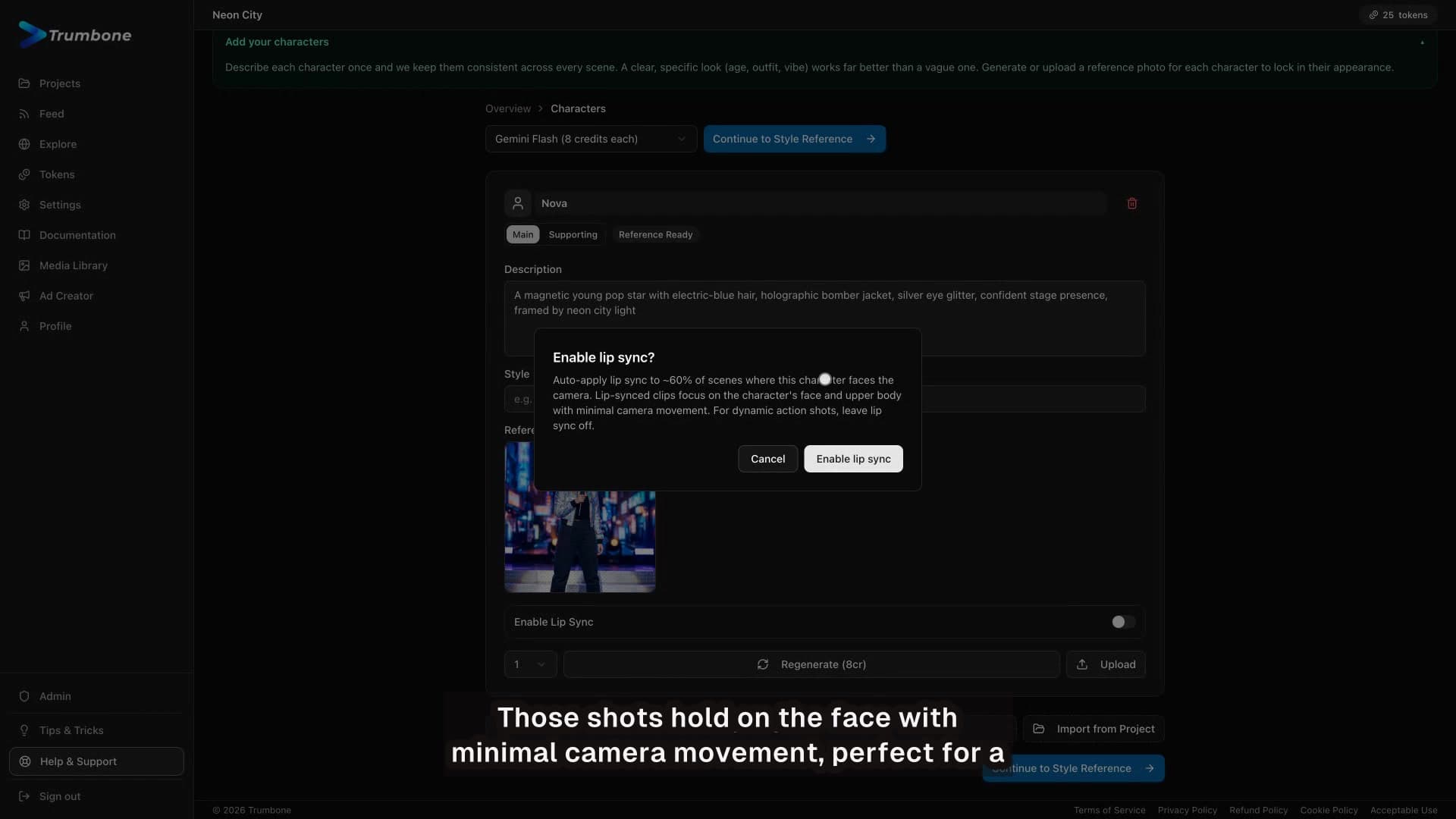
A consistent character is what makes a music video feel real. Here is how to describe, lock, and reuse one across every scene in Trumbone.

Ten quick habits that make every music video you build in Trumbone faster and sharper, all shown live in the app.

A complete, start-to-finish walkthrough of making a music video in Trumbone: casting characters, setting a style, analyzing your song, generating scenes, and editing on the timeline. No camera or editing experience required.

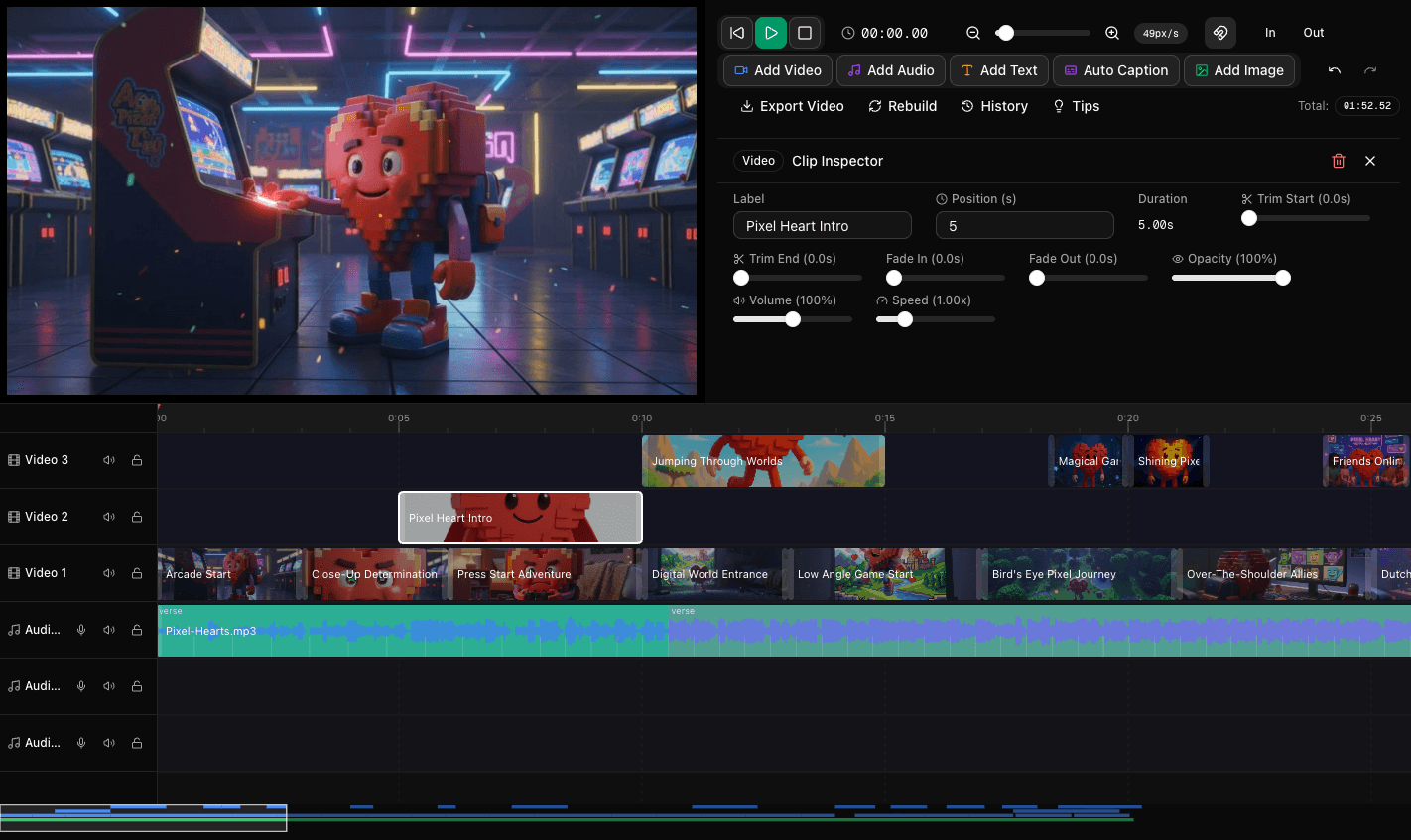
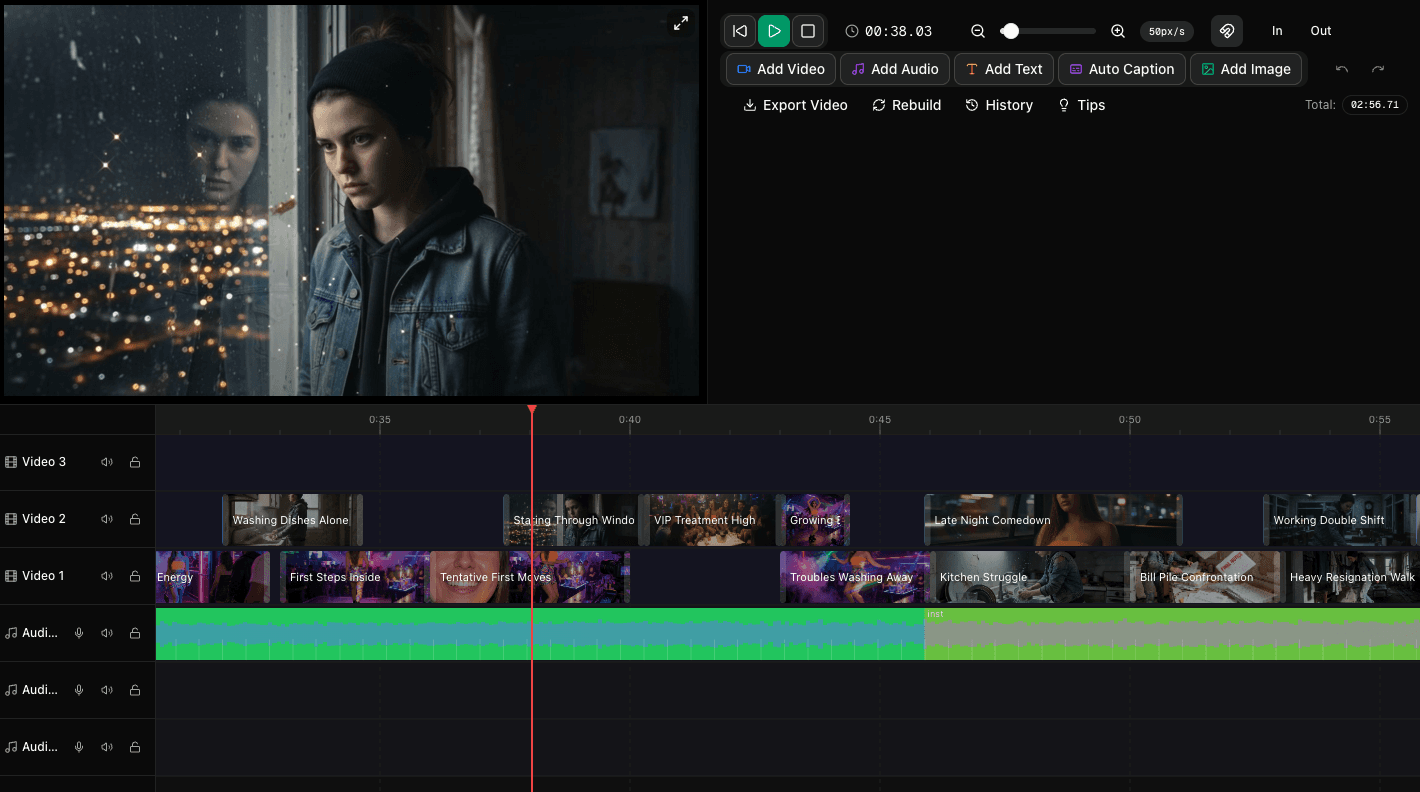
The biggest difference between average AI videos and polished ones is simple: generate multiple versions, then cherry-pick the best moments. Here’s how to use script regeneration, fresh visuals, and timeline editing to get dramatically better results.